About
Soulcraft Studio is the stomping ground for Jeff Whitfield, a musician out of Dallas, Texas. The name of the studio comes from a book called Shop Class as Soulcraft which has greatly influenced his approach to work, hobbies, and trades.
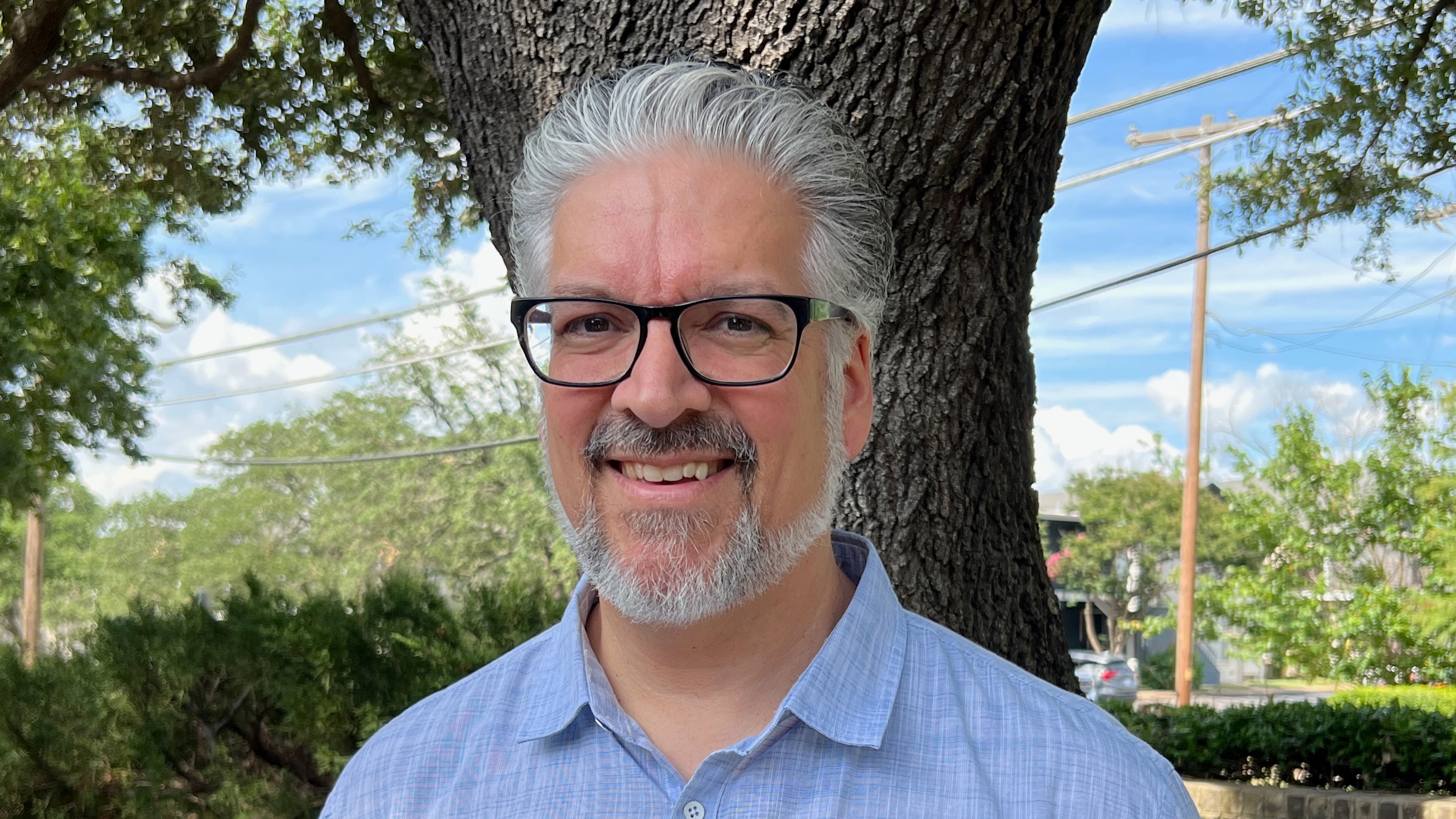
Born and raised in Houston, Texas, Jeff considers Dallas his second hometown. While growing up, he spent a lot of time with his grandparents. His grandmother played the piano, playing songs like Stardust and 42nd Street Rag which influenced Jeff to want to learn how to play. Starting off with some lessons from neighbors near his grandparents house, he eventually took up full-time piano lessons and grew from there.
In his teens, he became interested in synthesizers and was gifted his first synthesizer, a Korg DW-8000. He engrossed himself into the instrument and later added on a sequencer, a Yamaha TX-81Z, and a Roland R-8 drum machine. Influences during this time included a variety of artists where synthesizers were highly present in their music: Jean Michel Jarre, Vince DiCola, Van Halen, Yanni, Rush, Genesis, and others. He honed his skills as a keyboardist by playing with others in his school, forming school bands, and performing at school events.
Later, just before entering high school, Jeff acquired a Bass...a maple Peavey T-40 which he played through a Peavey KB-100, which doubled as a keyboard amp as well. He used this setup to play with a number of bands in high school as well as after high school. He played with a few original bands as well as cover bands playing everything from classic rock to more modern hits of the 90's at the time. One of the original bands allowed him to stretch his vocals as front-man for the band.
Moving to Dallas at the close of the 90's, Jeff took a hiatus from music but picked it back up sometime later in the 2000's. He eventually picked up keyboards again as well as the bass. Later he added guitar to the mix.
Influenced by bands like Royal Blood, Jeff sought out ways to create complicated guitar rigs that would allow him the flexibility to create a variety of different tones. He tried out different guitar processors, including ones made by Zoom, Line 6, and BOSS. He's created a variety of amp-less setups that incorporated both analog and digital pedals. His approach is more that of a keyboardist though, treating the guitar the way a keyboardist would treat a modular synth. This approach allowed him to free his mind of the stereotypical rigs most guitarists think of.
Along the way, he got interested in building guitar pedals and did a deep dive into different kinds of pedals. Building well over 100 different pedals, Jeff started to take a liking to the way they enhanced his tone. He especially likes fuzz pedals due to all the unique ways they distort a guitar signal.
Jeff has acquired a number of guitars over the past 10 years or so. One of his favorites is a Gretsch G5220 Electromatic Jet BT which he modified to include a Duesenberg Les Trem II for the tremolo bar. He also acquired a PRS SE Silver Sky, one of the best Strat style guitars out there. Along with that, he has a Squire Paranormal Cyclone which he modified with switches to switch the phase for the pickups. Along with that, he also has a Fender acoustic, a 7-string Ibanez, and a lap steel to provide him with different tones to play with.
For bass, his main axe is a Ibanez BTB1835 5-string bass, which he modified a little with a switch to bypass the onboard preamp. He also has a Gretsch G2220 Electromatic Junior Jet Bass II which he uses primarily for heavy bass effects due to the short-scale nature of the bass. Lastly, he has a Squier Jazz Bass, which matches a similar Fender Jazz Bass setup that Geddy Lee uses.
Jeff is currently working on new music. His current setup includes the Fender Tone Master Pro, a couple of small pedalboards (one for guitar, one for bass) and a couple of different Arturia MIDI controllers. All of this is connected to an Apple MacBook Pro running Fender Studio Pro. Jeff continues to find new ways to integrate his setup with other pedals through the DAW. His hybrid approach with both analog and digital continues to push the envelope of what is possible with computers and guitar processors.